In the modern digital era, high-speed internet has become a necessity rather than a luxury. From remote work and online classes to streaming movies and gaming, the demand for fast, reliable, and affordable internet continues to rise. Among the many internet service providers competing to meet these demands, Ziply Fiber has emerged as a top contender. With a focus on superior fiber-optic technology, customer satisfaction, and regional expansion, Ziply Fiber is redefining what it means to have truly fast internet.
In this comprehensive guide, we’ll explore what makes Ziply Fiber stand out, how its technology works, where it’s available, and why it may just be the future of home and business connectivity.
What Is Ziply Fiber?
Ziply Fiber is a regional internet service provider (ISP) offering high-speed fiber-optic internet across the Pacific Northwest. The company was formed in 2020 after acquiring Frontier Communications’ assets in Washington, Oregon, Idaho, and Montana. From the beginning, Ziply Fiber’s mission has been clear: to deliver fast, reliable, and affordable internet with a local touch.
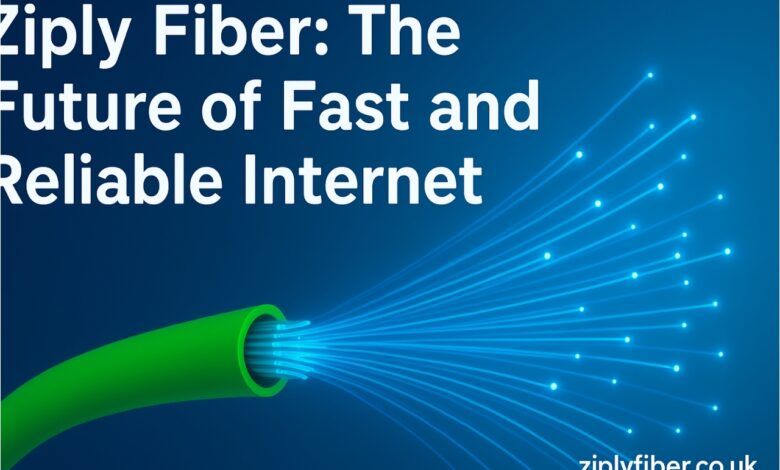
Unlike traditional broadband or DSL connections, Ziply uses fiber-optic cables that transmit data through light signals rather than copper wires. This allows for faster speeds, lower latency, and a more stable connection even during peak hours. Whether for streaming 4K content, gaming online, or running a business, Ziply Fiber offers speeds that traditional providers simply can’t match.
The Technology Behind Ziply Fiber
Fiber-optic internet represents the most advanced form of broadband technology currently available. Instead of using electrical signals over copper lines, fiber-optic cables transmit information via light pulses, resulting in incredibly fast data transfer rates.
Here’s why Ziply Fiber’s technology stands out:
- Symmetrical Speeds: Unlike cable internet, which often has slower upload speeds, Ziply Fiber provides symmetrical download and upload rates. This means if you’re getting 1 Gbps download speed, you’ll also enjoy 1 Gbps upload speed.
- Low Latency: Gamers and remote workers benefit from minimal lag times. Fiber connections reduce latency, providing a smoother online experience.
- Scalability: Fiber networks can handle increasing bandwidth demands over time, making them future-proof.
- Durability: Fiber cables are less susceptible to weather interference and signal loss, ensuring consistent service even during adverse conditions.
By investing heavily in infrastructure upgrades and cutting-edge fiber deployment, Ziply Fiber has positioned itself as a leader in next-generation internet technology.
Ziply Fiber Plans and Pricing
One of the most appealing aspects of Ziply Fiber is its competitive pricing. The company offers a range of plans designed to fit different budgets and usage needs. While exact pricing varies by location, typical plans include:
| Plan | Download/Upload Speeds | Ideal For | Approx. Monthly Cost |
|---|---|---|---|
| Ziply Fiber 100 Mbps | 100 Mbps / 100 Mbps | Light browsing, small households | ~$20–$30 |
| Ziply Fiber 500 Mbps | 500 Mbps / 500 Mbps | Streaming & gaming | ~$40–$50 |
| Ziply Fiber 1 Gig | 1 Gbps / 1 Gbps | Heavy users, remote work | ~$60–$70 |
| Ziply Fiber 2 Gig | 2 Gbps / 2 Gbps | Power users, smart homes | ~$90–$100 |
| Ziply Fiber 5 Gig | 5 Gbps / 5 Gbps | Businesses, tech professionals | ~$120+ |
All plans come with unlimited data, meaning you don’t have to worry about data caps or throttling — something that sets Ziply apart from competitors like Comcast or AT&T. Additionally, most customers enjoy no annual contracts and transparent pricing, which is refreshing in an industry often plagued by hidden fees.
Ziply Fiber Coverage and Expansion
Currently, Ziply Fiber serves communities across Washington, Oregon, Idaho, and Montana. The company has focused on bringing high-speed internet not only to urban centers but also to rural and underserved areas — regions often left behind by larger ISPs.
As of 2025, Ziply continues to expand aggressively, with new construction projects rolling out in smaller towns and suburban areas. The company’s goal is to reach more than 80% fiber coverage across its service footprint in the coming years.
If you want to know whether Ziply Fiber is available in your area, you can use their availability checker on the official Ziply website. Simply enter your ZIP code, and you’ll get instant information about service availability and plan options in your location.
Why Ziply Fiber Is the Future of Internet Connectivity
The internet landscape is changing, and Ziply Fiber is leading that transformation. Here’s why:
1. Unmatched Speed and Reliability
Fiber-optic internet offers speeds far beyond traditional broadband. With plans up to 5 Gbps, Ziply delivers some of the fastest home internet in the U.S. Moreover, fiber connections remain stable regardless of how many users are online — perfect for households with multiple devices streaming, gaming, or working simultaneously.
2. Commitment to Local Communities
Unlike many national ISPs that operate remotely, Ziply Fiber maintains a strong local presence. The company invests in local infrastructure, hires local technicians, and supports community events. This “neighbor-first” approach helps foster customer loyalty and trust.
3. Sustainable and Future-Proof
Fiber internet is not just faster — it’s greener. Fiber networks consume less energy and generate less electronic waste than copper-based systems. Ziply’s investment in fiber ensures that users won’t have to upgrade again for decades.
4. Excellent Customer Experience
Customer satisfaction is central to Ziply Fiber’s mission. Transparent billing, responsive support, and minimal outages have made Ziply a customer favorite in many areas. Their focus on customer care contrasts sharply with larger ISPs known for poor service.
How Ziply Fiber Compares to Other Providers
When choosing an internet provider, speed and reliability are key — but so are value, customer service, and transparency. Here’s how Ziply Fiber stacks up against major competitors:
| Provider | Technology | Max Speed | Data Caps | Contract Required | Avg. Monthly Cost |
|---|---|---|---|---|---|
| Ziply Fiber | Fiber | 5 Gbps | No | No | $20–$120 |
| Xfinity | Cable | 1.2 Gbps | Yes | Yes | $35–$90 |
| CenturyLink | Fiber/DSL | 1 Gbps | No | No | $50–$80 |
| Frontier | Fiber | 2 Gbps | No | Yes | $50–$150 |
In most comparisons, Ziply Fiber outperforms its competitors in speed, reliability, and pricing transparency — especially in areas where competitors still rely on aging copper networks.
Setting Up Ziply Fiber at Home
Installing Ziply Fiber is straightforward and typically involves the following steps:
- Check Availability: Enter your ZIP code on Ziply’s website to confirm service availability.
- Choose a Plan: Select the speed and package that best fits your needs.
- Schedule Installation: A Ziply technician will visit your home to install the fiber line and router.
- Set Up Wi-Fi: Once installed, you can connect your devices and test your speed.
Most installations take about 2–3 hours. The technician ensures that fiber cabling is properly routed and that your home network is optimized for maximum performance.
Ziply Fiber for Businesses
Beyond residential customers, Ziply Fiber also caters to small and medium-sized businesses. Business plans offer higher reliability, dedicated support, and static IP options. Whether it’s a local coffee shop or a tech startup, Ziply provides scalable internet solutions designed to support modern operations — from cloud storage to video conferencing and point-of-sale systems.
Businesses benefit from:
- Symmetrical upload/download speeds
- 99.9% uptime
- 24/7 customer support
- Custom network configurations
This makes Ziply Fiber a strong choice for companies seeking reliable and affordable high-speed internet.
Customer Reviews and Real-World Experiences
Customer feedback about Ziply Fiber is largely positive, particularly in areas where users have switched from slower DSL or cable connections. Many customers praise Ziply’s speed consistency, responsive support, and affordable pricing.
Common positive themes include:
- No data caps
- Fast installation
- Transparent billing
- Reliable service
While some customers mention occasional slowdowns or limited rural coverage, Ziply has made noticeable improvements since its early rollout. As infrastructure expands, service reliability continues to improve across the board.
The Future of Ziply Fiber
Looking ahead, Ziply Fiber shows no signs of slowing down. The company plans to invest hundreds of millions of dollars into further network expansion and technology upgrades. Its ongoing commitment to innovation ensures that customers will continue to enjoy cutting-edge internet experiences.
In the coming years, expect to see:
- Broader rural coverage across underserved communities
- 5 Gbps+ speeds becoming more common
- Improved smart home integration
- Increased emphasis on sustainability and energy efficiency
As data demands grow — especially with the rise of 8K streaming, virtual reality, and cloud computing — Ziply’s fiber infrastructure is built to handle whatever the future holds.
Final Thoughts
Ziply Fiber represents the next generation of internet service — one that prioritizes speed, reliability, transparency, and customer care. For households and businesses seeking a fast, dependable connection, Ziply offers a refreshing alternative to the big-name providers that have dominated the market for years.
By investing in state-of-the-art fiber technology and expanding access to underserved communities, Ziply Fiber isn’t just improving internet speeds — it’s helping bridge the digital divide. Whether you’re streaming, gaming, working remotely, or running a business, Ziply Fiber delivers the bandwidth and reliability you need today — and the scalability you’ll depend on tomorrow.
If the future of the internet is fiber, then Ziply Fiber is already leading the way.