George Strait Heart Attack: What Really Happened? Latest Updates & Rumor Check

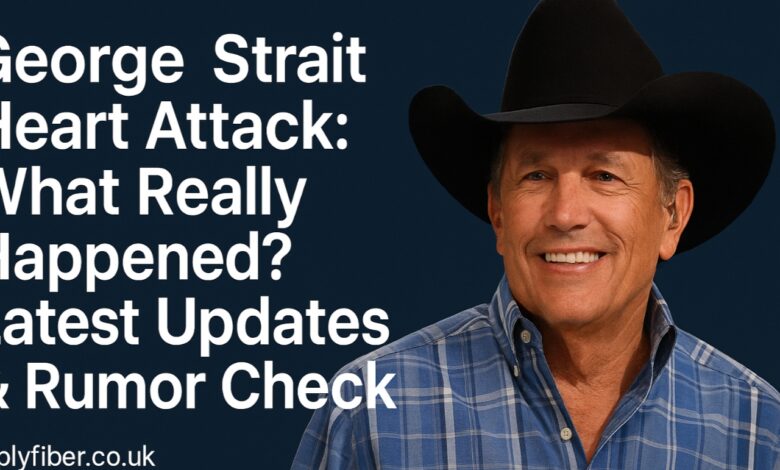
When the phrase “George Strait heart attack” began trending online, fans across the world were understandably shocked. George Strait, often called the King of Country Music, has been one of the most respected and beloved figures in the music industry for more than four decades. His smooth vocals, traditional country sound, and consistent presence make him a household name. So when sudden claims started circulating that he might have suffered a heart attack, the internet erupted with concern, confusion, and a rush to figure out what was true and what was simply another social media rumor.
In this in-depth article, we break down everything regarding the George Strait heart attack rumors, explore how and why they spread, examine his verified health history, look at official statements, and provide a full timeline of events. This long-form analysis gives fans the clarity they deserve, especially when misinformation spreads so quickly online.
What Sparked the “George Strait Heart Attack” Rumors?
The first wave of the “George Strait heart attack” rumor appeared on social media platforms where celebrity news spreads faster than ever. A handful of Twitter (now X) accounts began posting vague messages, claiming that George Strait was hospitalized after a sudden cardiac emergency. None of these posts linked to credible sources, yet the messages gained traction because of the emotional nature of the claim and the massive fan base surrounding the country icon.
Soon after, several clickbait websites copied the rumor and republished it, using dramatic headlines designed solely to generate traffic. These sites often use automated content, misleading phrases, or sensational wording to appear trustworthy, even though the information is unverified. Because fans are naturally protective of their favorite artists, the share rate increased dramatically as people wanted to stay informed — or alert others.
Within hours, fake “breaking news” thumbnails began circulating on Facebook, showing edited images of ambulances, hospitals, or altered photos of George Strait, giving the false impression that major news outlets had confirmed the story. This made the rumor even more believable for some people who didn’t realize the images were fabricated. What started as a single unverified claim exploded into a nationwide trend.
Did George Strait Actually Have a Heart Attack? Here’s the Truth
Despite the widespread online claims, there is no official or credible evidence that George Strait suffered a heart attack. As of the latest verified updates available, George Strait is alive, stable, and not reported to be facing any such emergency.
Representatives connected to his brand, his touring team, and long-standing music industry contacts have not released any statement confirming a heart attack or related medical event. In fact, the absence of statements itself suggests that the rumor is false. When major celebrities face a real medical crisis, family members, managers, or news agencies typically release at least a brief update.
But with the George Strait heart attack rumor, everything appeared to come from unreliable sources, random social media posts, and recycled clickbait. No confirmed hospital reports. No statements from relatives. No announcements from reputable media networks like ABC, NBC, CBS, or major country music news outlets. In short, all signs point to the fact that the rumor is nothing more than online misinformation.
George Strait’s Real Health History: What We Actually Know
Even though the “George Strait heart attack” rumor is unverified, fans naturally want to understand the overall health background of the 72-year-old star. George Strait has maintained a relatively low-stress public image, largely avoiding scandals, controversies, or unhealthy lifestyle habits often associated with celebrities.
Throughout his career, he has stayed active through touring, ranch work, and performing — all of which require stamina and cardiovascular health. While he has experienced personal tragedies, including the heartbreaking loss of his daughter Jennifer in 1986, nothing about his public health history suggests a high-risk medical condition that would make a sudden heart attack expected.
Although aging can bring natural health concerns, George Strait has shown remarkable longevity and resilience in the music industry. His ability to continue performing and recording well into his seventies indicates an overall stable lifestyle that supports good heart health. Fans should feel reassured knowing there is no factual medical record linking him to heart attack incidents.
Why Celebrity Death and Illness Hoaxes Spread So Quickly
Understanding the mechanics behind celebrity rumors like the George Strait heart attack claims helps explain why misinformation spreads so fast — and why audiences often believe it. The first major reason is the emotional connection fans feel toward public figures. People like George Strait represent memories, decades of music, cultural identity, and even personal milestones. When shocking or negative news surfaces, the emotional response overrides logical doubt.
Secondly, social media platforms reward virality over accuracy. Posts with emotionally charged keywords such as “heart attack,” “emergency,” or “passed away” instantly attract attention. Algorithms notice this engagement and push it further, leading to millions of impressions in a short span of time.
Third, some websites intentionally spread false health news to profit from ad revenue. These sites operate with minimal oversight, republishing misinformation from other sources without any fact-checking. Because they hide behind generic names and offshore hosting, they rarely face legal consequences.
Finally, AI-generated images, cloned thumbnails, and fake screenshots make lies look real. As technology becomes more sophisticated, distinguishing credible content from manufactured content becomes harder unless users carefully check sources.
The Role of George Strait’s Team: Silence, Privacy, and Professionalism
One reason fans became nervous is the relative silence from George Strait’s family and representatives. But silence during a rumor storm does not mean the rumor is true. In fact, celebrities often choose not to respond to false claims because addressing every rumor would give credibility to misinformation.
George Strait has always valued privacy, living much of his personal life away from the spotlight. His team tends to release statements only when necessary — typically about tours, albums, charity events, or official announcements. They do not usually reply to rumors circulating online, especially when those rumors are baseless.
This consistent approach reflects professionalism. By refusing to fuel speculation, they prevent gossip from escalating further. Fans familiar with George Strait’s long career know that the absence of dramatic updates is normal and should not be interpreted as confirmation of a health crisis.
How the Media Responded to the George Strait Heart Attack Claims
Despite the intensity of the rumor, reputable news organizations avoided reporting on the supposed George Strait heart attack. Journalists are trained to verify information before publishing, and none of the credible outlets found evidence to support the claim. Major entertainment platforms, music industry blogs, and television networks all remained silent — not because they were hiding something, but because there was nothing to report.
Some fact-checking websites eventually addressed the rumor, labeling it as unverified, misleading, or outright false. Their research highlighted how the story originated from unreliable sources and spread without confirmation.
This lack of mainstream coverage is important. Historically, real health emergencies involving high-profile celebrities are immediately covered by news networks with direct statements from doctors, publicists, or family members. The absence of such reporting strongly indicates that the rumor is nothing more than fiction.
Fan Reactions: Concern, Confusion, and Online Vigilance
George Strait’s fans are known for being loyal, protective, and deeply connected to his music and legacy. When the heart attack rumor started trending, thousands posted messages of concern, prayer, and support—even though the story was unverified.
Some fans asked for official updates, while others immediately recognized the posts as hoaxes and urged others not to share them. A portion of the community became frustrated with the spread of false news, especially since these types of rumors have targeted many celebrities in the past, including well-known figures like Morgan Freeman, Willie Nelson, and Dolly Parton.
The situation became a reminder of the importance of digital literacy. As fans grow more aware of clickbait tactics and AI-generated misinformation, they become more cautious about believing unverified news or sharing emotional posts without checking their sources.
Debunking the George Strait Heart Attack Hoax: How We Know It’s False
To fully debunk the “George Strait heart attack” rumor, we can examine several undeniable facts:
1. No official confirmation
Neither George Strait’s team, nor credible media outlets, nor emergency services confirmed any heart attack.
2. Rumor originated from low-credibility sources
The first posts came from unverified accounts and websites known for clickbait.
3. No hospital reports
Major health incidents involving public figures are quickly reported by reputable journalists. None appeared.
4. No follow-up statements
Fake news tends to disappear once questioned. That’s exactly what happened with this rumor — no updates, no confirmations, no evidence.
5. George Strait appeared publicly before and after the rumors
His ongoing tour preparations, business updates, and public schedule contradict claims of a medical emergency.
Every measurable sign indicates the rumor is a hoax and not based on real events.
Protecting Yourself from Future Celebrity Misinformation
The George Strait heart attack hoax serves as a powerful example of how quickly false news spreads and how easily people can be misled. To avoid falling into similar traps, consider these digital safety tips:
- Check the source: Only trust reliable, well-established news outlets.
- Look for verification: Confirm whether multiple credible platforms are reporting the same information.
- Avoid emotional posts: Clickbait is designed to provoke emotion—take a breath before reacting.
- Do not share unverified claims: Sharing spreads misinformation further.
- Be cautious with AI-edited images or videos: Technology makes fake content look real.
By staying informed and alert, fans can help reduce the spread of harmful rumors online.
Conclusion: The Truth Behind the George Strait Heart Attack Rumor
The viral “George Strait heart attack” rumor is a clear example of how misinformation spreads rapidly in today’s digital environment. Despite widespread online chatter, no credible evidence supports the claim that George Strait suffered a heart attack. As of the latest updates, he remains active, stable, and engaged in his music career.
Fans should take comfort in knowing that the King of Country Music is still with us, still cherished, and still contributing to the genre he helped shape. While rumors may continue to circulate, facts remain stronger than fiction — and the truth is that George Strait has not faced the heart attack emergency that social media wrongly suggested.
As always, the best way to stay informed is by following verified news sources and avoiding the trap of unverified viral posts. George Strait continues to be a legendary figure, and his fans can continue celebrating his life, music, and legacy with confidence.